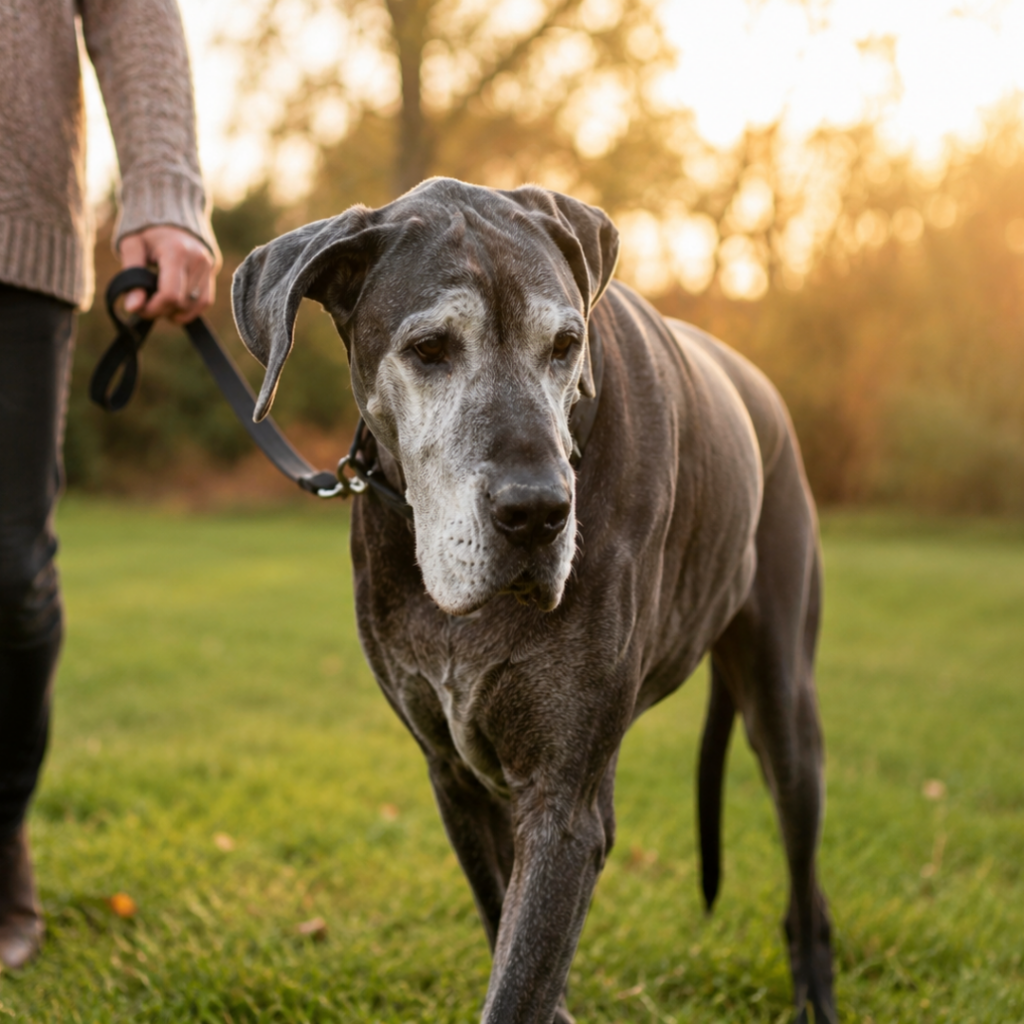
Watching your dog age is one of the most bittersweet parts of loving them.
One day, they are running around the yard, jumping on the couch, begging for snacks, barking at the window, and following you from room to room like your tiny shadow.
Then slowly, sometimes so slowly you barely notice it happening, things start to change.
They sleep more.
They move slower.
They struggle to get up.
They stop doing some of the things they used to love.
Their good days and bad days start to feel harder to tell apart.
And as their person, you’re left asking one of the hardest questions a dog owner will ever have to ask:
“Is my dog still living a good life?”
It is a question no one wants to face, but it is also one of the most loving questions we can ask.
Aging Dogs Change in Ways That Are Hard To Watch
Senior dogs often go through physical, emotional, and behavioral changes as they age. Some changes happen gradually over time, while others can feel like they happen overnight.
You may notice your dog having a harder time standing up, walking across slick floors, climbing stairs, getting into bed, or going outside to potty. They may sleep more than they used to or seem less interested in the things that once made them excited.
For some dogs, aging brings pain, arthritis, weakness, confusion, anxiety, appetite changes, bathroom accidents, or a loss of independence.
And while these changes can be normal parts of aging, that does not make them easy.
It is painful to watch a dog you love struggle with things that used to come naturally to them. It is even harder when their mind still seems willing, but their body is no longer able to keep up.
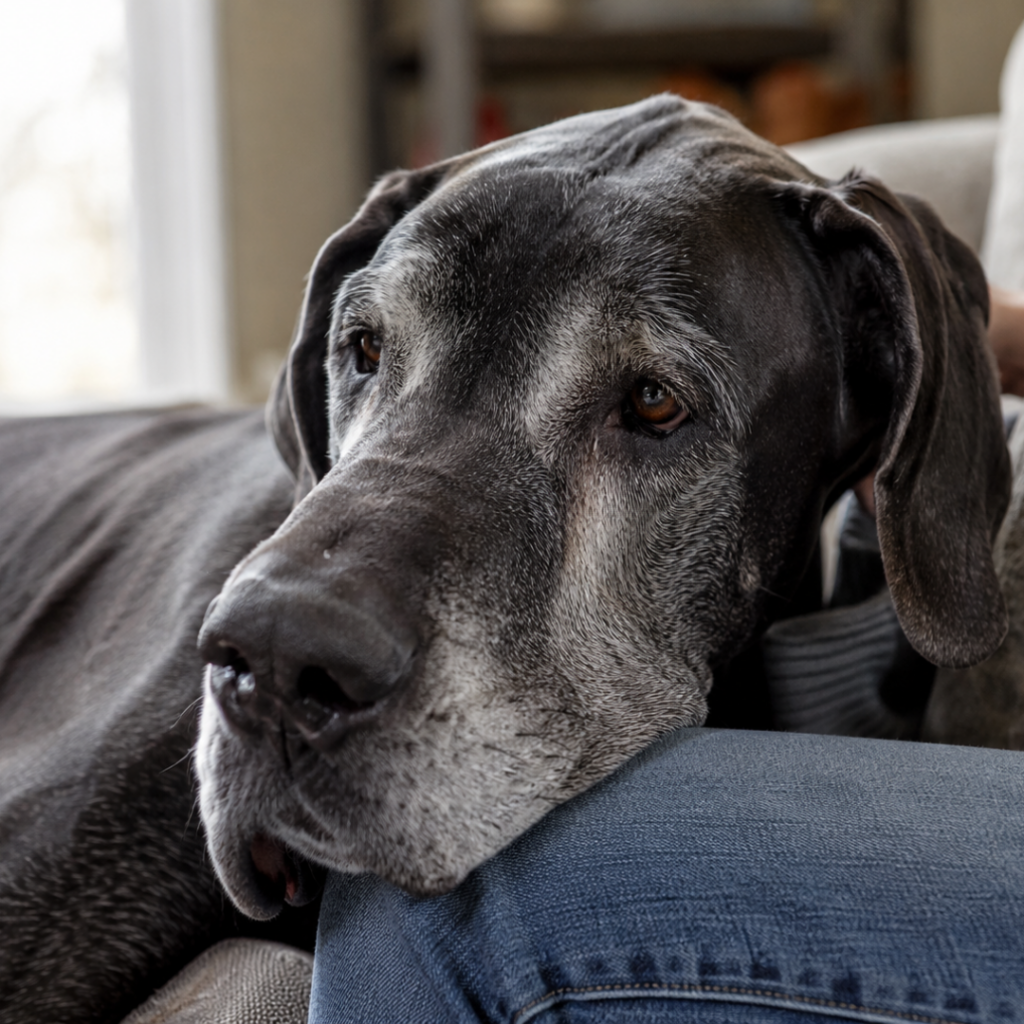
Quality of Life Is More Than Just “Are They Eating?”
When people talk about a dog’s quality of life, the conversation often turns into one question:
“Are they still eating?”
And while appetite matters, it is only one piece of the picture.
A dog’s quality of life is not based on one good moment, one tail wag, one meal, or one burst of energy. It is the bigger picture of how they are doing physically, mentally, emotionally, and day to day.
Things to consider include:
- Is my dog comfortable most of the day?
- Can my dog rest peacefully?
- Is my dog’s pain well managed?
- Can my dog move around without constant struggle?
- Is my dog still interested in food, people, toys, walks, or their favorite things?
- Does my dog still seem like themselves?
- Are the good days still outnumbering the bad days?
These are not easy questions, but they can help us look beyond what we want to see and focus on what our dogs may actually be experiencing.
It Is Hard to See Decline When You Love Them Every Day
One of the hardest parts of caring for an aging or sick dog is that decline can be difficult to recognize when you are with them every day.
You adjust without realizing it.
You start helping them up.
You move their food bowl closer.
You carry them outside.
You clean up more accidents.
You explain away changes because they still have good moments.
And none of that is wrong.
That is love. That is care. That is devotion.
But sometimes, because we love them so deeply, we can lose sight of how much their life has changed. We may hold onto who they used to be instead of looking honestly at who they are today.
That is why having a simple way to evaluate their quality of life can be so helpful.
Not because it makes the decision easy.
Nothing makes this easy.
But because it gives you something steady to come back to when your heart and your fear are pulling you in different directions.
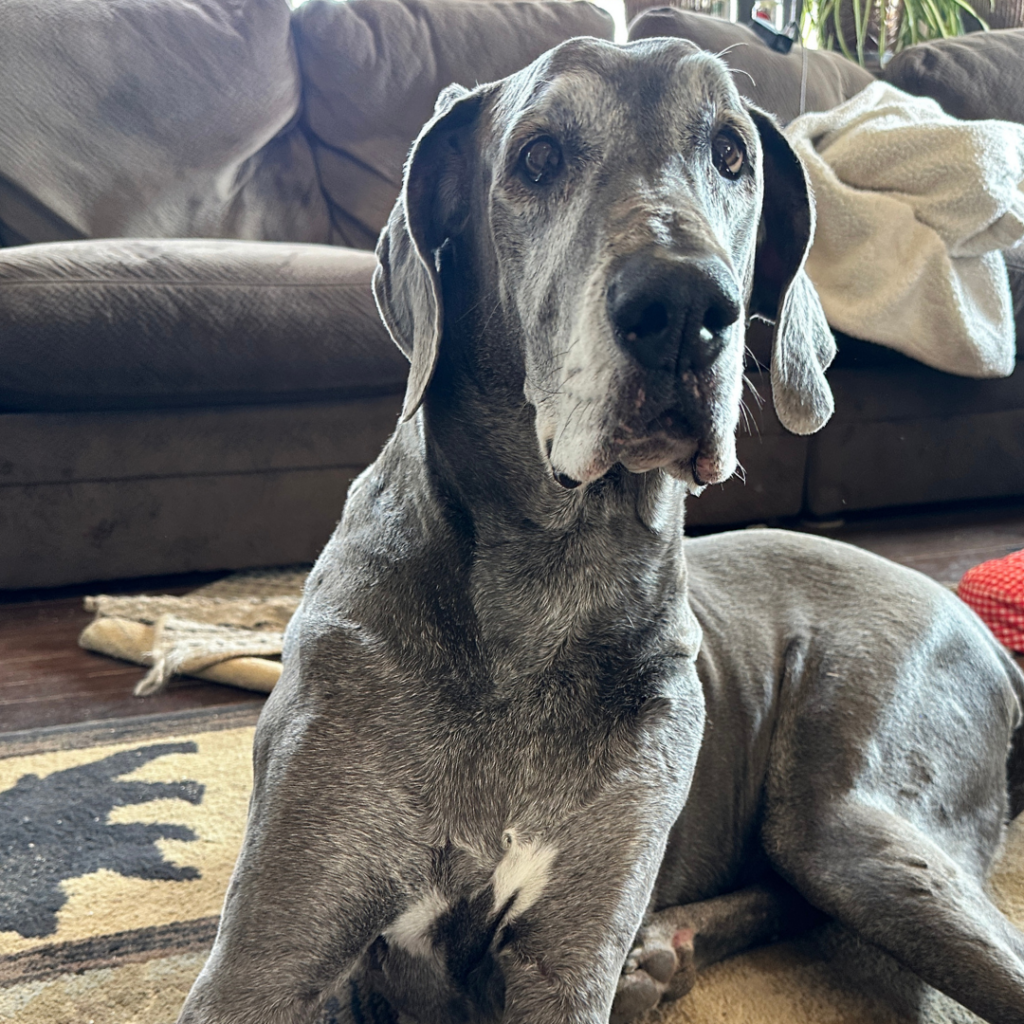
Good Days and Bad Days Matter
Every dog has off days. Just like people, they may have days where they are more tired, sore, anxious, or uncomfortable.
One bad day does not automatically mean your dog has a poor quality of life.
But when the bad days start happening more often, last longer, or become harder for your dog to recover from, that is important to notice.
A helpful question to ask is:
“Is my dog having more good days than bad days?”
And just as important:
“When my dog has a bad day, are they able to bounce back?”
Tracking these patterns over time can help you see things more clearly. Sometimes our emotions make every day feel urgent. Other times, our hope makes us overlook signs that things are getting worse.
A quality of life assessment can help you step back and look at the full picture.
This Decision Is Never Just Medical
When we talk about quality of life, we also have to talk about the person caring for the dog.
That can feel selfish, but it is not.
Caring for an aging, disabled, or sick dog can be physically, emotionally, mentally, and financially exhausting. You may be lifting them, cleaning up after them, managing medications, watching for symptoms, losing sleep, rearranging your schedule, and carrying the weight of making decisions no one else can make for you.
Your dog’s quality of life matters.
So does your ability to care for them safely, lovingly, and honestly.
Sometimes the question is not just, “Can I keep doing this?”
Sometimes the question is, “Is continuing this truly helping my dog, or am I holding on because I am scared to let go?”
That question hurts.
But it is also one of the most loving questions you can ask.
There Is No Perfect Answer
One of the hardest parts about end-of-life decisions is that there is usually no perfectly clear moment.
We want our dogs to tell us.
We want a sign.
We want certainty.
But many times, the decision is not obvious. It is a collection of small changes, hard days, quiet observations, and honest conversations.
There may still be tail wags.
There may still be kisses.
There may still be moments where they feel like themselves.
And that can make everything even more confusing.
This is why quality of life is not about finding one perfect answer. It is about looking at your dog’s life as a whole and asking what is kindest for them.
Not what is easiest for us.
Not what avoids the pain the longest.
But what honors them.
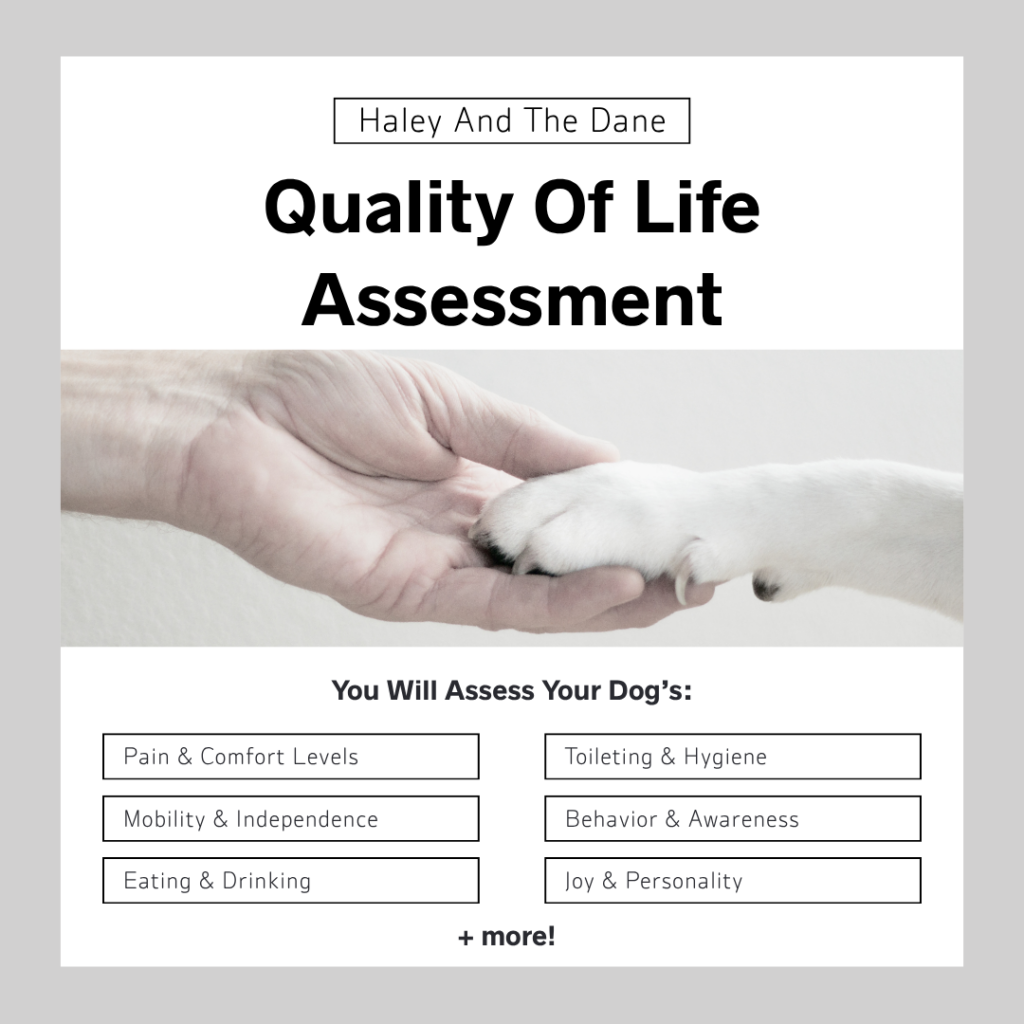
Download the Free Quality of Life Assessment
I created this Quality of Life Assessment for dogs and the people who love them because I know how hard it is to look at your beloved dog and wonder if they are still okay.
This assessment uses simple yes or no statements to help you evaluate your dog’s comfort, mobility, eating and drinking, toileting, behavior, happiness, good days versus bad days, and your own capacity to care for them.
It is not meant to replace veterinary advice, and it will not make the decision for you.
But it can help you see patterns, ask better questions, and feel more grounded when everything feels emotional and overwhelming.
You are not looking for a perfect answer. You are looking for what is kindest for your dog.
Download the free Quality of Life Assessment below and use it as often as you need. If you are unsure, consider filling it out every few days and watching for patterns over time.
Always consult your veterinarian if you have concerns about your dog’s health, pain, behavior, or quality of life.